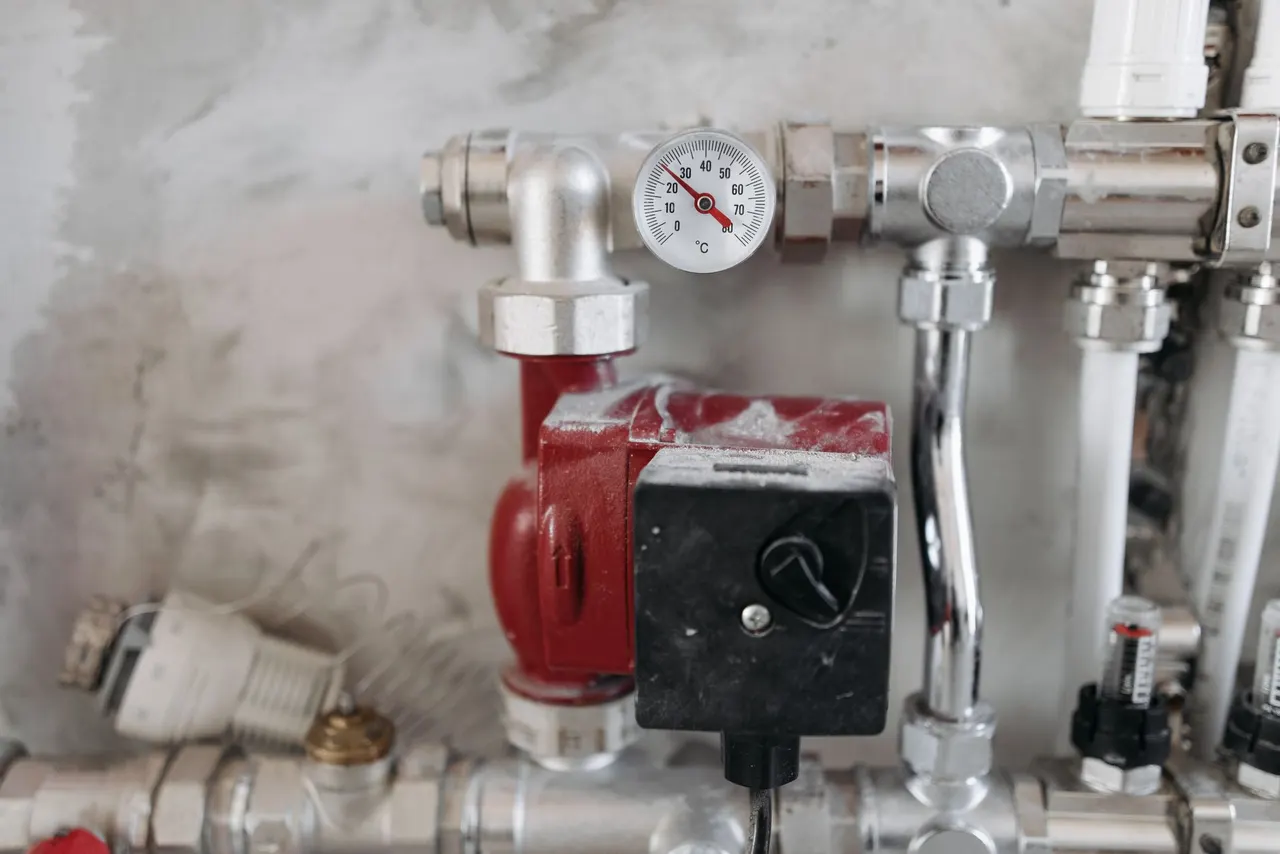
Seasonal HVAC Inspections
Seasonal HVAC Inspections in Des Moines keep your system safe
Seasonal HVAC Inspections in Des Moines are the fastest way to catch a cracked heat exchanger, a refrigerant leak, or a failing blower motor before it strands your family on a 10-degree night. We inspect furnaces, AC units, and heat pumps for homeowners in Beaverdale, Waveland Park, and throughout Polk County, Iowa. Every visit covers safety, airflow, and efficiency so you know exactly what shape your system is in.
Service overview
What Seasonal HVAC Inspections in Des Moines cover
Seasonal HVAC Inspections in Des Moines is a scheduled service visit that tests, cleans, and documents the condition of your heating and cooling equipment once in spring and once in fall. A technician runs a manifold gauge set on the refrigerant circuit, checks amp draw with a multimeter, inspects the heat exchanger for cracks, and verifies the igniter, blower motor, and thermostat are all doing their jobs. We pull and inspect the air filter, clean condenser coils, and measure static pressure across the duct system to catch airflow problems before they burn out a compressor.
Des Moines swings from humid 95-degree summers to sub-zero January nights, and that range punishes equipment. A spring and fall HVAC inspection Des Moines IA homeowners schedule regularly catches small issues like a dirty condenser coil or a clogged air filter before they turn into a no-heat call in February. If you have been searching for a seasonal HVAC inspection in Des Moines IA near me, this is the visit that pays for itself the first time it prevents a mid-winter breakdown.
Practical benefits
Why Des Moines homeowners book seasonal inspections
A seasonal visit costs a fraction of a repair and takes about 90 minutes. Here is what you actually get out of it.
Catch failures early
Roughly 70% of the no-heat calls we run in January started as a small issue a fall furnace inspection Des Moines IA visit would have caught. A weak igniter, a cracked heat exchanger, or a blower motor drawing high amps all show up on a meter long before the system quits.
Lower your utility bills
Dirty condenser coils and leaking ducts force your system to run longer to hit the same setpoint. Cleaning coils and sealing duct leakage during a heating and cooling inspection Des Moines Iowa visit routinely trims 10-15% off summer cooling costs for local homes.
Protect your warranty
Carrier, Trane, Lennox, and most other manufacturers require documented annual maintenance to honor parts warranties. We log every reading and inspection so you have proof on file if a compressor or control board fails under warranty.
Breathe cleaner air
A cracked heat exchanger can push carbon monoxide into your supply air. Our combustion analyzer and leak detector verify the burn is clean and the flue is drafting properly, which matters in tighter newer builds around Gray's Woods and River Bend.
How service works
How our inspection visit works
Every Seasonal HVAC Inspections in Des Moines visit follows the same five steps, whether we are looking at a 20-year-old furnace or a new Daikin heat pump.
STEP 01
Book your slot
Call 515-876-5435 or book online. Spring and fall fill up fast, so we hold morning and afternoon windows six days a week. You get a two-hour arrival window and a text when the tech is on the way.
Tools and methods
Tools and methods we use
Manifold gauge set
Measures refrigerant pressures on the cooling circuit to verify charge is correct and catch leaks before they damage the compressor.
Combustion analyzer
Tests gas furnace combustion for carbon monoxide and efficiency. Readings outside spec mean the burn is dirty or the heat exchanger may be compromised.
Multimeter
Checks amp draw on the blower motor and compressor, verifies capacitor health, and confirms control board voltage is within spec.
Duct pressure gauge
Measures static pressure across the system to diagnose undersized returns, crushed ducts, and airflow restrictions.
Leak detector
Electronic and bubble testing on refrigerant lines to pinpoint leaks that a visual inspection would miss.
Thermal imaging camera
Reveals hot spots on electrical connections, blocked coils, and duct leakage behind finished walls without cutting into drywall.
Coil cleaning pump sprayer
Applies cleaning solution to condenser and evaporator coils to restore heat transfer and lower operating pressures.
ACCA Manual J load calculation
The industry standard for sizing heating and cooling equipment. We use it when an inspection shows your current system is oversized or undersized for the home, which is common in older Des Moines neighborhoods.
ACCA Manual D duct design
Applied when ductwork needs repair or replacement. It sizes each run to deliver the right airflow to every room, which fixes hot and cold spots in two-story homes.
EPA Section 608 refrigerant handling
All refrigerant work follows EPA Section 608 rules. We recover, recycle, and recharge with R-410A or R-32 refrigerant using a recovery machine, never venting to atmosphere.
NATE-certified diagnostics
Our technicians hold NATE certification, which means they have passed independent testing on heating, cooling, and airflow diagnostics. It is the credential that separates a real tech from a parts swapper.
Where this service fits
When to book a seasonal inspection
You just bought a home in Des Moines and do not know the equipment history.
We run a full inspection on both heating and cooling, document the age and condition of every component, and give you a baseline report. You will know exactly what you own and what to budget for. A clear picture of your system's condition and a maintenance plan for the next 12 months.
Your system is 10+ years old and you want to avoid a mid-winter breakdown.
A fall inspection checks the heat exchanger, igniter, blower motor, and inducer. We replace worn parts before they fail and flag anything that is close to end of life. You head into winter knowing the furnace will fire, or knowing exactly what it needs.
You are selling your home and need documentation for the buyer.
We inspect both systems, provide a written report with photos and readings, and note any issues. The report is a credible third-party document that supports your disclosure. A clean inspection report that speeds up the sale and reduces buyer negotiation.
Your energy bills jumped this season and you cannot figure out why.
We measure refrigerant charge, static pressure, and duct leakage. Dirty condenser coils, a clogged air filter, or leaking ducts are the usual culprits, and all three show up on our readings. A diagnosed cause and a repair quote, usually with a measurable drop in the next bill.
Local execution
How seasonal inspections run in Des Moines
Des Moines sits in a climate that swings from humid 95-degree July afternoons to -10 January nights, and that range is hard on HVAC equipment. Spring inspections in April and May focus on the cooling side: cleaning condenser coils, verifying refrigerant charge, and checking the capacitor before the first heat wave. Fall inspections in September and October shift to the furnace: heat exchanger inspection, igniter test, combustion analysis, and flue draft verification. Building stock matters too. Sherman Hill and Drake Neighborhood have 1920s homes with original ductwork that leaks 20-30% of conditioned air. Beaverdale and Waveland Park have 1950s-60s ranches with undersized returns that cause uneven airflow. Newer construction in Gray's Woods and River Bend is tight enough that mechanical ventilation is often needed. If you are looking for a spring HVAC inspection Des Moines homeowners schedule before Memorial Day, or a fall furnace inspection Des Moines IA families book before Halloween, we run trucks daily across Polk County and can usually get to you within 48 hours.
Sherman Hill
Historic 1920s homes with original ductwork. Duct leakage and undersized returns are common, and seasonal inspections often flag airflow problems before they burn out a blower motor.
Beaverdale
1950s-60s ranches and two-stories with original flex duct in the attic. Crushed and disconnected runs show up regularly on our duct pressure gauge readings.
Waveland Park
Mix of older homes and 1990s builds. We see a lot of AC freezing up here in July from low refrigerant charge and clogged air filters.
Gray's Woods
Newer tight construction. Seasonal inspections often recommend ventilation upgrades and confirm the system is sized correctly for the envelope.
River Bend
Older housing stock near the river with high humidity in summer. We focus on dehumidification and coil cleaning during spring inspections.
Sub-zero January cold snaps
Furnaces run at full capacity for days, which exposes weak igniters, failing blower motors, and cracked heat exchangers. A fall inspection catches these before the cold hits.
Humid July afternoons above 90 degrees
AC systems run continuously, and dirty condenser coils or low refrigerant charge cause freezing and compressor damage. Spring inspection prevents both.
Heavy spring pollen and fall leaf debris
Condenser coils clog fast, restricting airflow and raising head pressure. We clean coils during inspection and recommend a seasonal rinse between visits.
Older ductwork with leakage
Homes built before 1980 often lose 20-30% of conditioned air to leaky ducts. Sealing with mastic sealant during inspection is one of the highest-ROI fixes we do.
Problems we solve
Problems a seasonal inspection catches early
Most HVAC failures do not happen overnight. They build up over months, and a seasonal visit is where we catch them.
Furnace not igniting on a cold morning
During a fall furnace inspection Des Moines IA visit, we test the igniter, flame sensor, and gas valve. A weak igniter gets replaced for a fraction of an emergency call, and you never wake up cold. You wake up to a 55-degree house and a system that will not fire. Emergency calls in January cost more and take longer to schedule.
AC freezing up in July
Our spring inspection checks refrigerant charge and airflow. Low charge or a clogged air filter is usually the cause, and both are fixed during the visit. We also clean condenser coils so the system keeps up with Des Moines humidity. A frozen evaporator coil blocks airflow and can send liquid refrigerant back to the compressor, which is a $1,500+ repair.
Uneven airflow in two-story homes
A duct pressure gauge reading during inspection reveals the problem. Common fixes include sealing duct leakage with mastic sealant, repairing crushed flex duct, or adding a zoning system with dampers and a smart thermostat. Upstairs bedrooms run 8-10 degrees warmer than the main floor all summer, and the system runs constantly trying to catch up.
Rising utility bills with no clear cause
During a heating and cooling inspection Des Moines Iowa visit, we clean condenser coils, replace the air filter, and measure duct leakage. Most homeowners see the difference on the next bill. Dirty coils and duct leakage force your system to run longer to hit the same setpoint, adding 10-15% to monthly bills.
A practical standard for every visit.
Clear planningPrepared arrivalsCareful workLocal follow-through
Experience in the details
Local experience you can verify
Our technicians hold NATE certification and EPA Section 608 certification, and we work under a current Iowa HVAC license. We service every major brand sold in central Iowa, including Carrier, Trane, Lennox, Goodman, Rheem, York, American Standard, Bryant, Mitsubishi Electric, and Daikin. Because we are local, we know how Des Moines building stock behaves: 1920s Sherman Hill bungalows with original ductwork, 1990s Beaverdale two-stories with undersized returns, and new construction in Gray's Woods with tight envelopes that need balanced ventilation. That local pattern recognition is what turns a routine inspection into a real diagnosis.
Where we work
One local team. A lot of ground covered.
Downtown Des MoinesEast VillageSherman HillDrake NeighborhoodBeaverdaleWaveland ParkHighland ParkIngersoll ParkSouth of GrandWaterburySalisbury OaksUnion Park
Check my address Most seasonal inspections in Des Moines run $99 to $189 per system in 2026, with a spring-plus-fall package often discounted. Cost goes up if you add duct cleaning, indoor air quality testing, or a second system. Emergency or after-hours visits carry a higher rate. We quote the exact price before we arrive, so there is no surprise on the invoice.
Twice a year: once in spring before cooling season and once in fall before the first hard freeze. Des Moines swings from humid 95-degree summers to sub-zero January nights, and that range stresses equipment hard. Homes with pets, heavy pollen, or older systems benefit most from the twice-a-year schedule. Skipping a season is the fastest way to turn a $150 visit into a $1,200 repair.
A full seasonal HVAC inspection in Des Moines Iowa covers filter check, blower amp draw, igniter and heat exchanger inspection, combustion analysis, refrigerant charge check with a manifold gauge set, condenser coil cleaning, thermostat calibration, and duct static pressure. You get a written report with photos and readings. Repairs are quoted separately and only after we show you the problem.
Des Moines Heating Repair Pros runs seasonal inspections across Polk County, including Waveland Park, Beaverdale, Sherman Hill, and Downtown Des Moines. Call 515-876-5435 to book. We cover ZIP codes 50309, 50312, 50314, 50315, 50316, and 50317, with same-day slots most weekdays and 24/7 emergency service if your system fails between inspections.
Keep exploring
Related Services
Your next step is waiting
Book Seasonal HVAC Inspections in Des Moines today
Spring and fall slots fill fast. Call 515-876-5435 or book online and we will get a NATE-certified tech to your door, usually within 48 hours. Upfront pricing, written report, no upsell.
Start with the basics
Contact Des Moines Heating Repair Pros
Call us at 515-876-5435 any time, day or night. Our dispatchers answer 24/7 and can usually schedule a same-day visit for heating and cooling problems in Des Moines. Prefer email? Send your address and a quick description of the issue to [email protected] and we will get back to you fast.