Air Conditioning Maintenance
Air conditioning maintenance Des Moines IA that cuts summer breakdowns
Air conditioning maintenance Des Moines IA homeowners can count on starts with a real inspection, not a quick filter swap. We clean condenser coils, check refrigerant charge, test capacitors, and measure airflow so your system holds up through Iowa's 95-degree July afternoons. Whether you're in Beaverdale or Sherman Hill, an AC tune-up in Des Moines now costs far less than a mid-August emergency repair.
Service overview
Air conditioning maintenance Des Moines IA done right
Air conditioning maintenance is the scheduled service that keeps a cooling system running at its rated capacity: cleaning the condenser and evaporator coils, checking refrigerant charge with a manifold gauge set, testing capacitors and contactors with a multimeter, verifying thermostat calibration, and measuring static pressure across the blower. We also inspect the refrigerant line set for rub-through, check the condensate drain for algae clogs, and torque electrical connections that loosen over a season of vibration.
Des Moines summers swing hard. A system that ran fine at 78 degrees in June can freeze up at 98 degrees in August when the charge is 10 percent low or the condenser coil is packed with cottonwood seed. Annual AC maintenance Des Moines homeowners schedule in spring catches those problems while the weather is still mild. If you've noticed weak airflow or an AC not cooling, maintenance in Des Moines Iowa is the cheapest diagnostic you'll ever buy.
Practical benefits
Why Des Moines homeowners schedule AC tune-ups
A properly maintained system lasts longer, cools harder, and costs less to run. Here's what a spring tune-up actually delivers for a Des Moines home.
Lower cooling bills
A dirty condenser coil can raise compressor amp draw by 10 to 20 percent. Cleaning coils and correcting charge typically trims 5 to 15 percent off summer cooling costs, which on a Des Moines home running $180 a month in July adds up fast.
Fewer August breakdowns
Most no-cool calls we run in Polk County trace back to a failed capacitor, a clogged drain, or a low charge that went unchecked. A $150 to $250 tune-up in May prevents a $600 to $1,200 repair when it's 97 degrees and your family is sleeping in the basement.
Longer equipment life
A central AC that gets yearly air conditioner service Des Moines IA homeowners trust will typically run 15 to 18 years. Skip maintenance and you're looking at 10 to 12. That's five extra summers of cooling from the same equipment you already paid for.
Warranty protection
Carrier, Trane, Lennox, and most major brands require documented annual maintenance to honor parts warranties. We log every visit with date, readings, and parts checked, so if your compressor fails in year seven, you have the paperwork to file a claim.
How service works
What our AC tune-up visit looks like
Every visit follows the same sequence, whether you're in Waterbury or Union Park. Here's exactly what happens from the moment we pull up to the moment we hand you the report.
STEP 01
System check-in
We start by asking what you've noticed: warm rooms upstairs, a system that short-cycles, odd noises at startup. Then we pull the service panel, verify the model and serial, and confirm the system matches the square footage it's cooling. Takes about 10 minutes.
Tools and methods
Tools and methods we use on every visit
Manifold gauge set
Reads high-side and low-side refrigerant pressures so we can calculate superheat and subcooling and confirm the system is charged correctly for the outdoor temperature.
Multimeter
Tests capacitors, contactors, and relays, and measures amp draw on the compressor and blower motor against nameplate ratings to catch failing components early.
Thermal imaging camera
Scans the breaker panel, disconnect, and wire connections for hot spots that indicate loose terminals or overloaded circuits before they cause a failure.
Coil cleaning pump sprayer
Applies coil cleaner evenly across the condenser and evaporator coils, then rinses away the dirt and cottonwood seed that block heat transfer.
Fin comb
Straightens bent condenser fins so air moves through the coil the way the manufacturer designed. Bent fins are common after hail and lawn mower debris.
Duct pressure gauge
Measures static pressure at the return and supply to diagnose restricted airflow, undersized ducts, and blower problems that show up as weak cooling.
Leak detector
Finds refrigerant leaks at flare fittings, Schrader valves, and coil joints so we can repair the source instead of just topping off the charge.
Superheat and subcooling verification
We don't just check that pressures are in range. We calculate superheat and subcooling against the manufacturer's chart for the outdoor temperature and indoor wet bulb. That tells us whether the system is correctly charged, overcharged, or undercharged, which pressure alone can't show.
ACCA Manual J and Manual D standards
When we evaluate whether your system is correctly sized or your ducts can handle the airflow, we reference ACCA Manual J for load and Manual D for duct design. These are the industry standards, and they keep us from guessing.
EPA Section 608 refrigerant handling
All refrigerant work follows EPA Section 608 rules. We recover, recycle, and recharge using a refrigerant recovery machine, and we document every ounce added or removed. That protects you legally and protects the system from contamination.
Iowa mechanical code compliance
Repairs and replacements follow Iowa mechanical code and, where required, pull a Des Moines building permit. We don't cut corners on venting, electrical, or condensate routing just because it's a maintenance visit.
Where this service fits
When to schedule AC maintenance
You bought a house in Des Moines and don't know the last time the AC was serviced.
We do a full tune-up and treat it as a baseline. We document current readings, check for deferred problems, and give you a realistic picture of remaining equipment life. If the system is older, we tell you what to budget for. You know exactly what you own, what it needs, and what it'll cost to keep running or replace.
Your system is 8 to 12 years old and still running, but you want to avoid a mid-summer failure.
Annual maintenance is the highest-return thing you can do at this stage. We catch weak capacitors, slow leaks, and blower wear before they strand you. We also track readings year over year so you can see trends. You get several more summers out of the equipment and avoid the emergency-call premium when it finally does need replacing.
You're selling your home and the buyer's inspector flagged the AC.
We do a tune-up and provide a written report with readings and photos. If repairs are needed, we quote them clearly so you can decide whether to fix or credit the buyer. Realtors in Polk County call us for this regularly. You have documentation that satisfies the buyer and keeps the sale moving.
Your energy bills jumped this summer and you want to know why.
We measure amp draw, static pressure, and refrigerant charge. Dirty coils, low charge, and restricted airflow are the three most common culprits. We fix what we find and show you the before-and-after readings. Lower bills and a system that cools the way it did when it was new.
Local execution
How AC maintenance plays out in Des Moines
Des Moines cooling season runs roughly May through September, with peak demand in July and August when highs push into the mid-90s and humidity sits above 60 percent. That combination is hard on equipment. A system that's 10 percent low on charge in May will freeze up by July. Spring AC maintenance Des Moines homeowners schedule in April or early May gets ahead of that. Older neighborhoods like Sherman Hill and the Drake Neighborhood have original ductwork that was sized for gravity furnaces, not modern AC, so airflow problems are common. Newer builds in Beaverdale and Waveland Park are tighter, which means humidity control matters more than raw cooling capacity. We adjust our approach based on what we find in your home, not a one-size checklist. Cottonwood seed clogs condenser coils across Polk County every June, and we see a spike in no-cool calls right after. A yearly air conditioner service Des Moines IA visit in spring clears that before it becomes a problem.
Sherman Hill
Historic homes with original ductwork often need airflow corrections and sometimes zoning to balance upstairs and downstairs temperatures.
Beaverdale
Mix of mid-century and newer construction. Tight homes here benefit from humidity control and correctly sized equipment more than oversized systems.
Drake Neighborhood
Many rental properties and older homes where maintenance has been deferred. We see more refrigerant leaks and failing capacitors here than average.
East Village
Lofts and converted buildings with ductless mini-splits and rooftop units. Maintenance looks different here than in a single-family home.
Waterbury
Larger homes with multi-zone systems. We check damper operation and zone thermostat calibration as part of the tune-up.
Cottonwood seed clogging condenser coils in June
Airflow through the coil drops, head pressure rises, and the system runs hotter. We see a spike in no-cool calls every June. A spring coil cleaning prevents most of them.
High summer humidity above 60 percent
A system with low charge or restricted airflow won't remove moisture properly, so the house feels clammy even at a low thermostat setting. Correct charge and airflow fix it.
Wide temperature swings from spring to summer
A system that ran fine at 78 degrees can fail at 98 when charge is marginal. Spring maintenance catches the marginal issues before the stress test.
Older ductwork sized for heating, not cooling
Cooling needs more airflow than heating. Undersized ducts cause high static pressure, weak airflow, and premature blower failure. We measure and recommend fixes.
Problems we solve
Problems a tune-up catches before they cost you
Most AC failures we see in Des Moines start as small issues a maintenance visit would have caught. Here are the ones we run into most often.
AC freezing up in July
We check charge, airflow, and the metering device during every tune-up. If we find a slow refrigerant leak or a restricted filter drier, we fix it before summer. Frozen coils are almost always a maintenance issue, not bad luck. A frozen evaporator coil blocks airflow entirely and can send liquid refrigerant back to the compressor, which is the most expensive part to replace. Ignoring it usually means a $1,500 to $2,500 repair.
Weak airflow in upstairs rooms
We measure static pressure and inspect accessible duct runs. Common fixes include sealing disconnected flex duct, removing kinks, and in some cases adding a zoning system with motorized dampers. We quote the fix and you decide. Uneven airflow in two-story homes makes upstairs bedrooms unusable in July. Homeowners often run a window unit as a workaround, which costs more than fixing the duct problem would have.
Rising electric bills with no change in use
Coil cleaning and capacitor testing are part of every tune-up. We also check refrigerant charge, since an overcharged or undercharged system runs longer cycles and burns more power. Most customers see the difference on the next bill. A dirty condenser coil or a failing capacitor can raise amp draw 10 to 20 percent. Over a Des Moines summer that's $50 to $150 in wasted electricity, and it shortens compressor life.
Short cycling on and off
Short cycling usually traces to an oversized system, a bad thermostat, or a refrigerant charge issue. We diagnose which one during the tune-up and recommend the right fix, whether that's a thermostat swap or a charge correction. A system that cycles every few minutes never removes humidity properly, so the house feels clammy even at 72 degrees. It also wears out the compressor and contactor faster than normal runtime would.
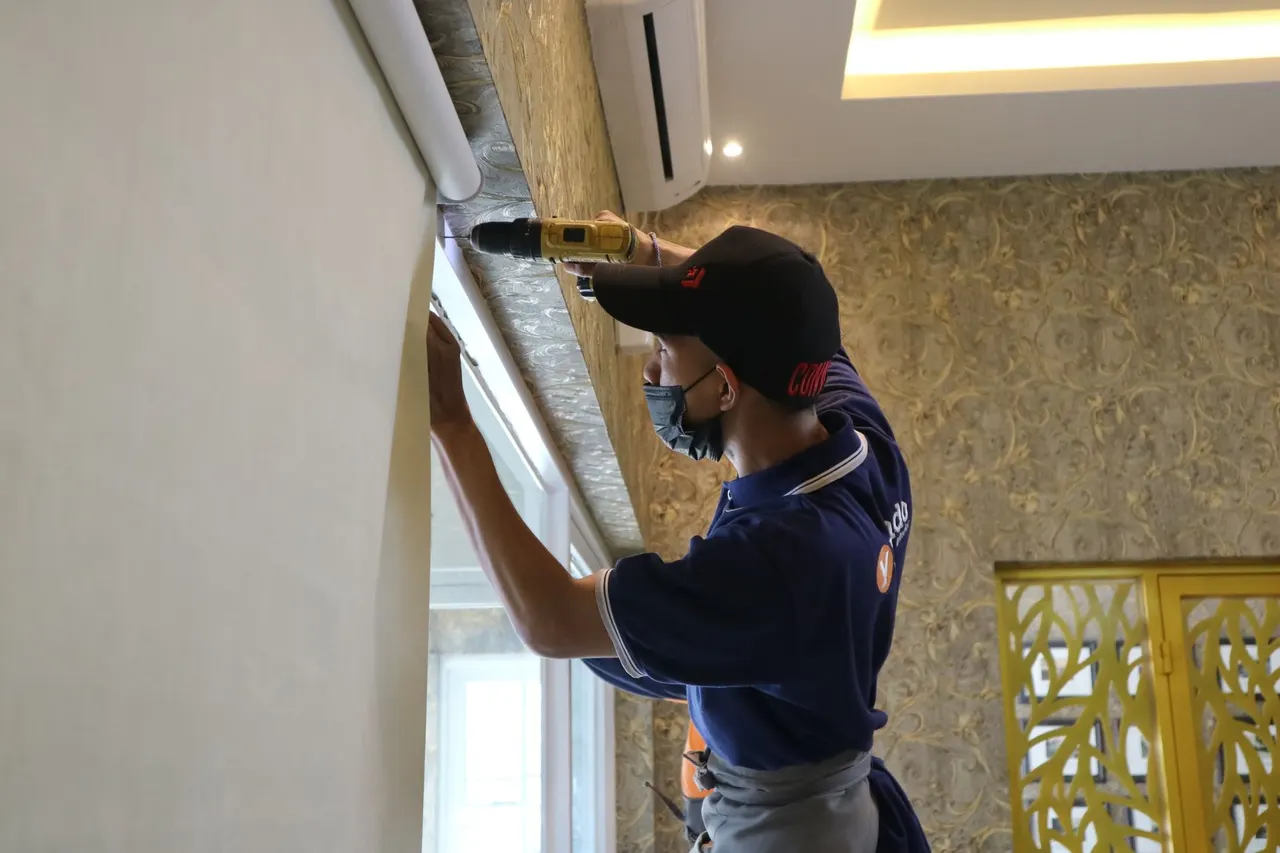
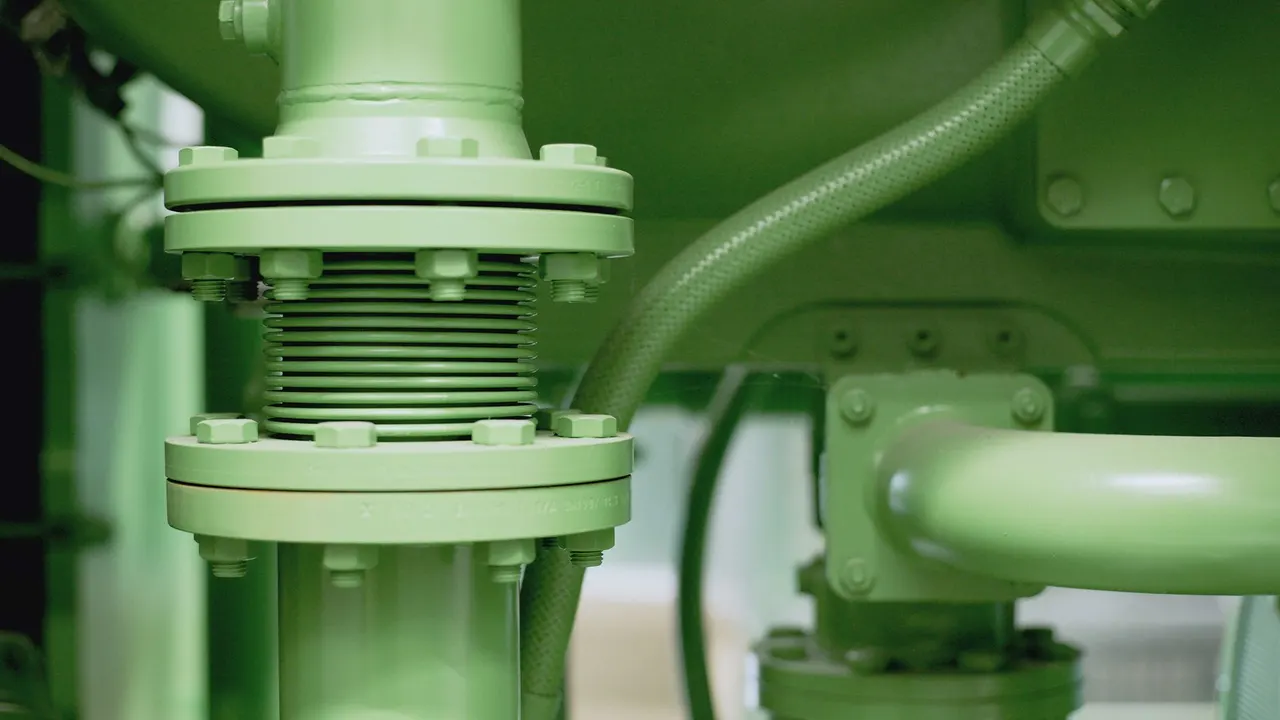
A practical standard for every visit.
Clear planningPrepared arrivalsCareful workLocal follow-through
Experience in the details
Local experience you can verify
Our technicians hold NATE certification and EPA Section 608 certification, and we work under a current Iowa HVAC license. We service every major brand: Carrier, Trane, Lennox, Goodman, Rheem, York, American Standard, Bryant, Mitsubishi Electric, and Daikin. We also install and program Nest and Ecobee thermostats, which many Des Moines homeowners pair with a maintenance plan to track runtime and filter life. We work to ACCA Manual J and Manual D standards when sizing or evaluating duct systems, and we follow Iowa mechanical code and pull Des Moines building permits when a job requires them.
- NATE-certified technicians on every maintenance call, not just installs
- EPA Section 608 certification for safe refrigerant handling and recovery
- Current Iowa HVAC license and full liability insurance on every truck
- Factory-trained on Carrier, Trane, Lennox, Goodman, Rheem, and Mitsubishi Electric
- Comfortable with R-410A and R-32 refrigerant systems, including older R-22 retrofits
Where we work
One local team. A lot of ground covered.
Downtown Des MoinesEast VillageSherman HillDrake NeighborhoodBeaverdaleWaveland ParkHighland ParkIngersoll ParkSouth of GrandWaterburySalisbury OaksUnion Park
Check my address Once a year, ideally in April or May before the first 85-degree day. If your system is over 10 years old, runs constantly in July, or you have pets and heavy dust, twice a year is worth it. Spring AC maintenance Des Moines homeowners schedule early also gets you priority scheduling when the July rush hits and every shop in Polk County is booked out three days.
Typical 2026 pricing runs $99 to $249 for a standard residential tune-up, depending on system size and whether it's a single-stage or variable-speed unit. Add $50 to $100 if you want the coil cleaned on a heavily soiled condenser. Maintenance plans bundle two visits for less than the cost of two individual calls.
A full tune-up covers coil cleaning, refrigerant charge verification, capacitor and contactor testing, blower motor amp draw, condensate drain clearing, thermostat calibration, and a static pressure check. We also inspect the refrigerant line set, check the disconnect and breaker, and test the float switch. You get a written report with every reading so you can see exactly what changed.
We do, across all of Des Moines and Polk County, including Sherman Hill, Beaverdale, the Drake Neighborhood, and the East Village. Call 515-876-5435 and we'll get you on the schedule, usually within the same week. If you're not sure whether you need maintenance or a repair, describe what your system is doing and we'll tell you straight.
Keep exploring
Other services we handle
Your next step is waiting
Book your air conditioning maintenance Des Moines IA visit
Spring slots fill fast once the first warm week hits. Call 515-876-5435 and we'll get your tune-up on the calendar, usually within the same week. Licensed, insured, and upfront on price before we start.
Start with the basics
Contact Des Moines Heating Repair Pros
Call us at 515-876-5435 any time, day or night. Our dispatchers answer 24/7 and can usually schedule a same-day visit for heating and cooling problems in Des Moines. Prefer email? Send your address and a quick description of the issue to [email protected] and we will get back to you fast.