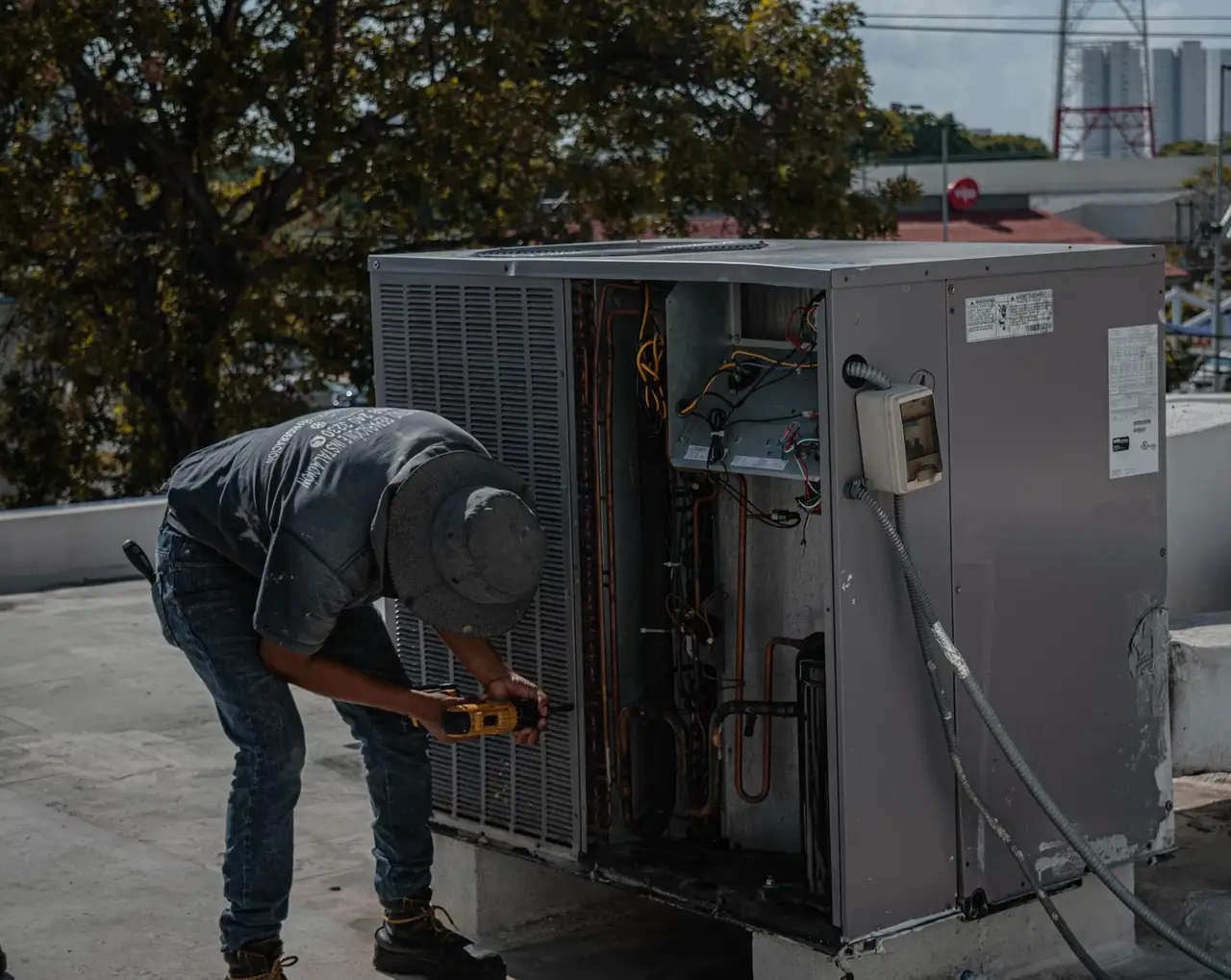
Indoor Air Quality Testing
Indoor Air Quality Testing Des Moines IA You Can Trust
Indoor air quality testing Des Moines IA measures what you are actually breathing: particulates, mold spores, carbon monoxide, humidity, and volatile organic compounds. If your family wakes up congested, your windows sweat all winter, or your 1920s Sherman Hill house smells musty after rain, we test the air and trace the source. Our IAQ testing Des Moines service gives you numbers, not guesses, plus a written plan you can act on.
Service overview
What Indoor Air Quality Testing Des Moines IA Actually Measures
Indoor air quality testing Des Moines IA is a diagnostic service that samples the air inside your home and measures the pollutants, moisture, and gas levels a furnace filter cannot catch. We set up calibrated monitors for particulate matter (PM2.5 and PM10), carbon monoxide, carbon dioxide, formaldehyde, and total volatile organic compounds, then take surface and air samples for mold spores when we see staining or smell that damp basement odor. A combustion analyzer checks your furnace and water heater flue gases while we are there, because a cracked heat exchanger or a backdrafting flue is an air quality problem first and a safety problem always.
Des Moines homes have specific reasons to test. Our winters run the furnace five months straight, so indoor humidity drops into the teens and dust circulates nonstop. Summer humidity climbs past 60 percent, which feeds mold in basements and crawlspaces across Beaverdale and the Drake Neighborhood. Older housing stock near Sherman Hill and Woodland Heights still has original ductwork with gaps that pull attic and crawlspace air into living space. If you have been searching for air quality testing near me Des Moines and getting generic advice, we test your actual house and tell you what the numbers mean.
Practical benefits
Why Des Moines Homeowners Test Their Air
Air quality problems rarely announce themselves. They show up as morning headaches, dust that returns a day after cleaning, or a furnace that smells like the basement. Testing turns those symptoms into measurable data you can fix.
Find Allergy Triggers Fast
If indoor air quality testing for allergies Des Moines residents request most often is particulate and mold spore sampling, we do exactly that. We measure PM2.5, PM10, and spore counts room by room, then compare bedrooms against the basement. Most clients discover the trigger is duct leakage or a damp crawlspace, not the furnace itself, and that changes the whole repair plan.
Catch Carbon Monoxide Risk
A combustion analyzer reading on your furnace and water heater tells us whether flue gases are venting correctly. We check CO levels in the flue and in the room, plus draft pressure at the draft hood. If a heat exchanger is cracked or a flue is backdrafting, you know the same day instead of finding out from a hospital visit.
Stop Mold Before It Spreads
Mold and air quality testing Des Moines IA homeowners schedule after a wet spring usually finds elevated spore counts in the basement and first-floor air. We pair air samples with moisture readings on joists, drywall, and subfloor. Catching it at 15 percent moisture content means drying and sealing, not tearing out finished walls.
Cut Dust and Humidity Problems
We log temperature and relative humidity in every zone of your home over a full heating or cooling cycle. Two-story homes in Waveland Park and Ingersoll Park often run 8 to 12 percent humidity difference between floors. That data tells us whether you need duct sealing, a whole-home humidifier, or a dehumidifier in the basement.
How service works
How Our Testing Process Works
We schedule a two-to-three-hour visit, walk your home with you, and leave with readings you can hold in your hand. No guesswork, no pressure, no upsell script.
STEP 01
Phone Intake
We ask about your home's age, heating and cooling equipment, any recent water damage, and what symptoms you are noticing. That call takes 10 to 15 minutes and lets us load the right monitors and sampling media before we arrive. If you need same day air quality testing Des Moines Iowa, tell us on the call and we will check the afternoon route.
Tools and methods
Tools and Methods We Use
Combustion Analyzer
Reads flue oxygen, carbon monoxide, and stack temperature at the furnace and water heater. This is how we confirm proper combustion and catch a cracked heat exchanger or backdrafting flue.
Thermal Imaging Camera
Reveals missing insulation, air infiltration paths, and hidden moisture behind drywall. We use it to find where outside air and dampness are entering before we recommend a fix.
Duct Pressure Gauge
Measures static pressure at the plenum and at individual registers. High static pressure means the blower is fighting restrictive ducts or a clogged air filter.
Multimeter
Checks blower motor amp draw and verifies control voltage at the board. An over-amping blower often explains weak airflow and uneven room temperatures.
Manifold Gauge Set
Reads refrigerant pressures on the AC or heat pump during the visit. Low charge or a restriction shows up here and often ties back to humidity problems indoors.
Leak Detector
Pinpoints refrigerant leaks at joints, coils, and line sets. A slow leak degrades cooling capacity, which lets indoor humidity climb.
Moisture Meter
Takes pin-type readings on joists, drywall, and subfloor. Anything above 15 percent moisture content is a mold risk and gets flagged in the report.
ACCA Manual J Load Calculation
We use Manual J to determine how much heating and cooling your home actually needs. Oversized equipment short-cycles, which leaves humidity high and dust circulating. Correct sizing is the foundation of good indoor air.
ACCA Manual D Duct Design
Manual D sizes duct runs to deliver the right airflow to each room at acceptable static pressure. We apply it when evaluating existing ducts and when designing replacements for homes with chronic uneven airflow.
EPA Section 608 Refrigerant Handling
Our technicians hold EPA Section 608 certification, which governs refrigerant recovery, charging, and leak repair. Proper charge matters because an undercharged system runs warm and lets indoor humidity rise.
Iowa Mechanical Code Compliance
We follow the Iowa mechanical code and pull Des Moines building permits when a project requires one. Combustion air, flue sizing, and ventilation requirements all come from that code, and we verify them on every install.
Where this service fits
When to Schedule Air Quality Testing
You just bought a home built before 1970 and want a baseline before moving in.
We run a full test on the empty house, including mold sampling in the basement and crawlspace, combustion analysis on the furnace and water heater, and a duct leakage check. An empty house is the easiest time to sample because there is no furniture blocking airflow. You get a written report before you unpack, so any remediation or duct work happens on the seller's timeline or yours, not in the middle of winter.
Someone in the house has asthma or seasonal allergies that seem worse indoors.
We focus on particulate and mold spore sampling in bedrooms and living areas, then compare those readings to outdoor air. That comparison tells us whether your indoor environment is adding to the load or whether the trigger is outside. You know which rooms need filtration, sealing, or humidity control, and you stop guessing about which air purifier to buy.
You had water damage from a burst pipe, sump failure, or a wet spring.
We take moisture readings on framing and drywall, run air and surface mold samples, and check whether the HVAC system pulled damp air through the ducts. If the ducts were running during the event, they need inspection too. You confirm the space is actually dry before closing it back up, which prevents a mold problem from growing behind new drywall.
You are planning a furnace or AC replacement and want to fix air quality at the same time.
We test first, then size the new equipment with ACCA Manual J and evaluate the duct system with Manual D. Filtration, humidification, and ventilation upgrades get designed into the same project instead of bolted on later. One project, one permit, one contractor, and a system that delivers clean air from the first day it runs.
Local execution
How Testing Runs in Des Moines
Des Moines sits in a climate that swings hard. January design temperatures drop near zero, and July dew points push past 70, so your home spends half the year sealed against cold and the other half fighting humidity. That combination is why indoor air quality testing Des Moines IA looks different from testing in a mild climate. We weight our sampling toward winter combustion safety and summer moisture control, because those are the two failure modes we see most. Older neighborhoods like Sherman Hill, Highland Park, and North of Grand have original sheet metal duct with joints that were never sealed, so we always check leakage. Newer builds in Gray's Woods and Salisbury Oaks are tight enough that we check ventilation rates instead, since a sealed house with no fresh air exchange traps VOCs and CO2. If you are searching for a Des Moines air quality company that tests both sides of that equation, we do. We also work around the practical stuff: we schedule around your furnace or AC service so you are not paying two trip charges, and we can usually bundle testing with a seasonal HVAC inspection.
Sherman Hill
Many homes here date to the 1880s and 1890s with original ductwork and stone foundations. We routinely find duct leakage and elevated basement humidity that needs sealing and dehumidification.
Beaverdale
Brick bungalows with finished basements are common. Sump pits and older drain tile often let moisture in, so we take extra moisture readings on joists and subfloor.
Waveland Park
Two-story homes here frequently show 8 to 12 percent humidity difference between floors. That points to duct imbalance, which we measure with a duct pressure gauge.
East Village
A mix of renovated lofts and older houses means we see both tight-envelope ventilation issues and legacy duct systems in the same service day.
River Bend
Proximity to the river raises baseline outdoor humidity. Basements here benefit from a whole-home dehumidifier more often than in other parts of the city.
Five months of continuous furnace operation
Indoor humidity drops into the teens and dust circulates constantly. We test humidity across a full heating cycle and size humidifiers to hold 35 to 45 percent.
Summer dew points above 70 degrees
Basements and crawlspaces stay damp, feeding mold. We take moisture readings and recommend dehumidification when levels stay above 55 percent.
Aging duct systems in pre-1950 housing stock
Unsealed joints pull attic and crawlspace air into living space. Duct leakage is the most common source of elevated particulates we find in older neighborhoods.
Tight new construction with low natural air exchange
VOCs and CO2 build up without mechanical ventilation. We measure CO2 and recommend ERV or HRV systems when readings stay elevated.
Problems we solve
Air Problems We Solve in Des Moines Homes
Most air quality complaints trace back to one of a handful of causes. Testing tells us which one is yours so you fix the source instead of buying another filter.
Musty basement smell that never goes away
We sample air and surfaces, take moisture readings on framing, and identify the water source. Then we dry the space, seal duct leaks pulling that air upstairs, and install a dehumidifier sized to hold the basement under 50 percent relative humidity year-round. Elevated mold spore counts circulate upstairs through duct leakage and stack effect, triggering allergies and worsening asthma for everyone in the house.
Dust returns a day after cleaning
We measure static pressure and filter bypass, then check duct connections at the plenum and registers. Most homes need a filter rack upgrade plus mastic sealing at the joints. We re-test after the fix so you can see the particulate drop in numbers. High particulate counts mean your filter is undersized, your ducts leak, or your blower is moving air too fast. Long term, that dust carries allergens and irritants into every room.
Winter dryness cracking wood and sinuses
We log humidity across a full heating cycle, then install a bypass or steam humidifier sized to your home and set it to hold 35 to 45 percent. We verify the setpoint holds through a cold snap before we call the job done. Indoor humidity in Des Moines drops into the teens during January and February, causing nosebleeds, static shocks, and gaps in hardwood floors and trim.
Headaches and congestion only at home
We run combustion analysis on every fuel-burning appliance and log CO, CO2, formaldehyde, and VOC readings room by room. If a flue is backdrafting or a heat exchanger is cracked, we repair or replace it and re-test before we leave. Carbon monoxide, formaldehyde, or VOC levels that are elevated but below alarm thresholds cause symptoms that disappear when you leave the house, which makes them easy to dismiss.
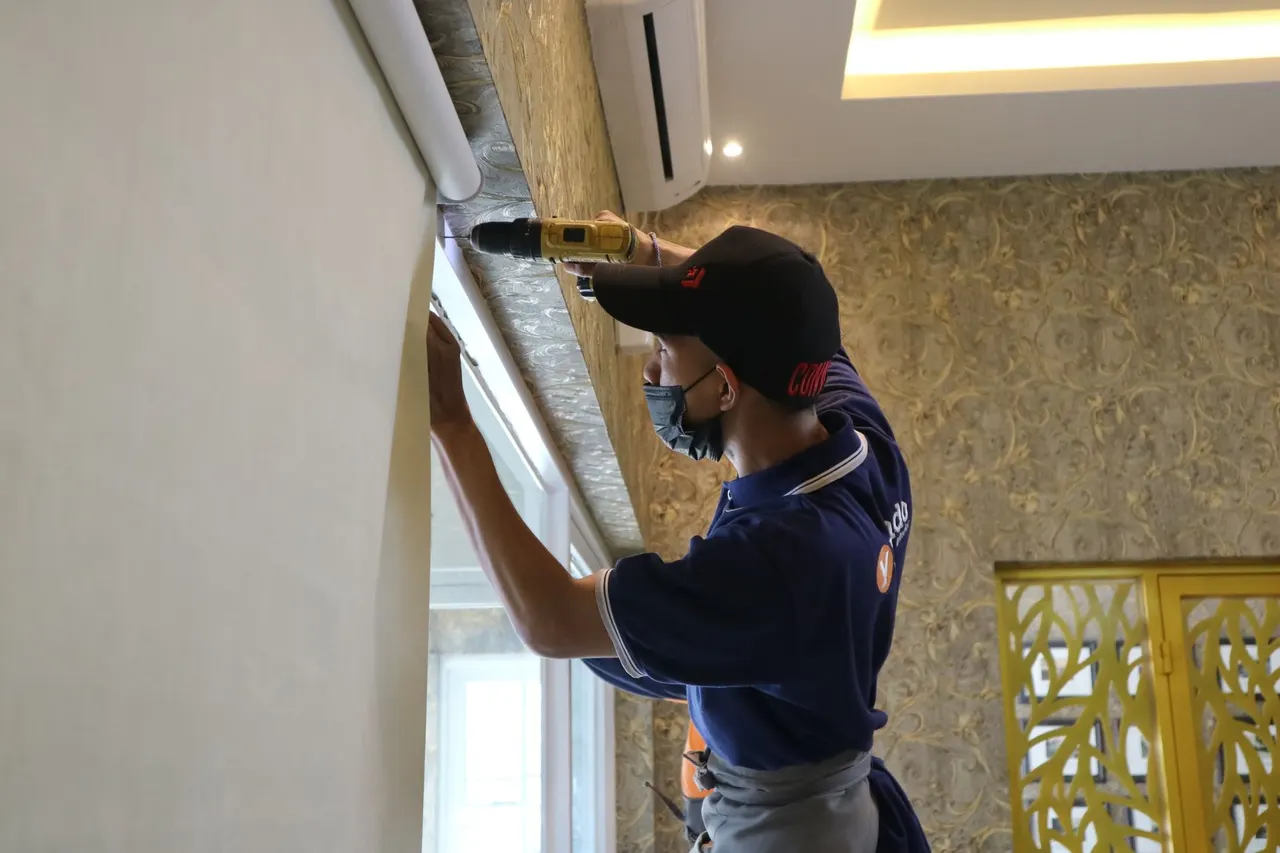
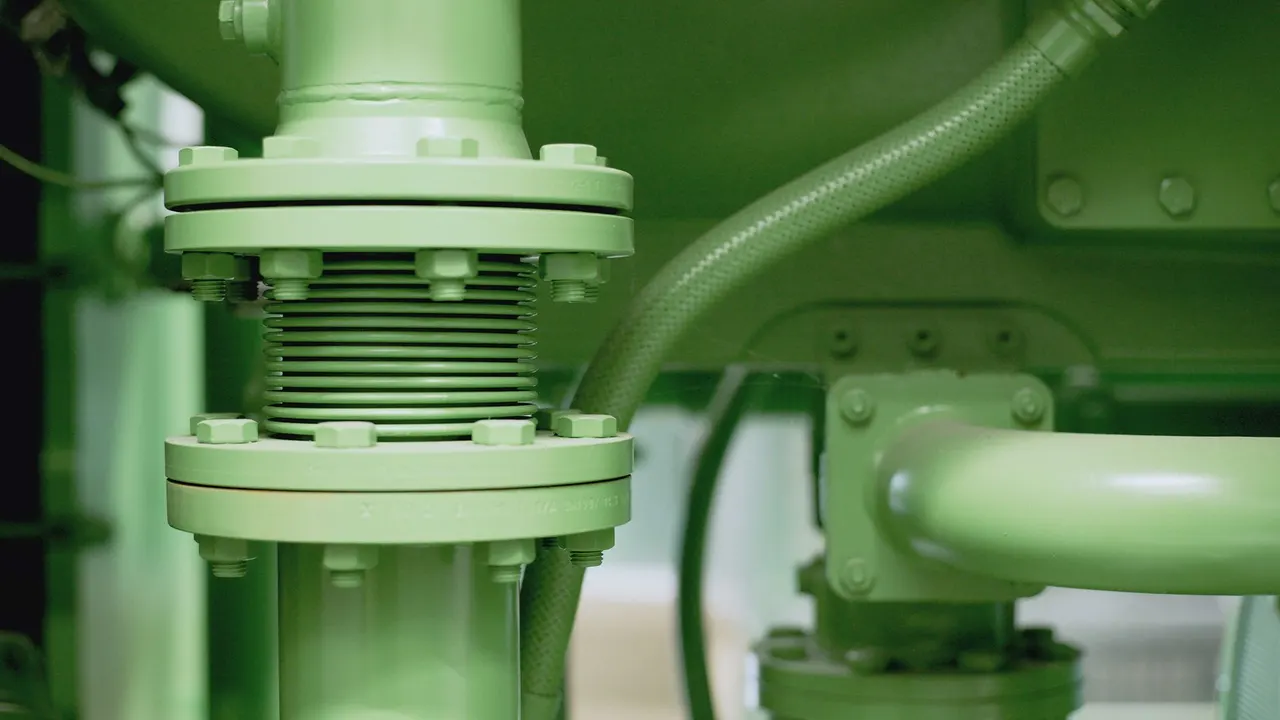
A practical standard for every visit.
Clear planningPrepared arrivalsCareful workLocal follow-through
Experience in the details
Local Experience You Can Verify
Our technicians hold NATE certification and EPA Section 608 certification, and we work under a current Iowa HVAC license on every job. We follow ACCA Manual J and Manual D when we size equipment or evaluate duct systems, and we pull Des Moines building permits whenever a project requires one. We have tested homes from 1890s Sherman Hill four-squares to new builds in Gray's Woods, and we know how each era of construction fails differently. That local experience matters when a reading looks odd and we need to know whether it is the house or the equipment.
- NATE-certified technicians trained on combustion analysis and airflow diagnostics
- EPA Section 608 certification for refrigerant handling and system testing
- Iowa HVAC license held on every service call, no subcontractors
- ACCA Manual J and Manual D used for load and duct evaluation
- Combustion analyzer and thermal imaging camera on every air quality visit
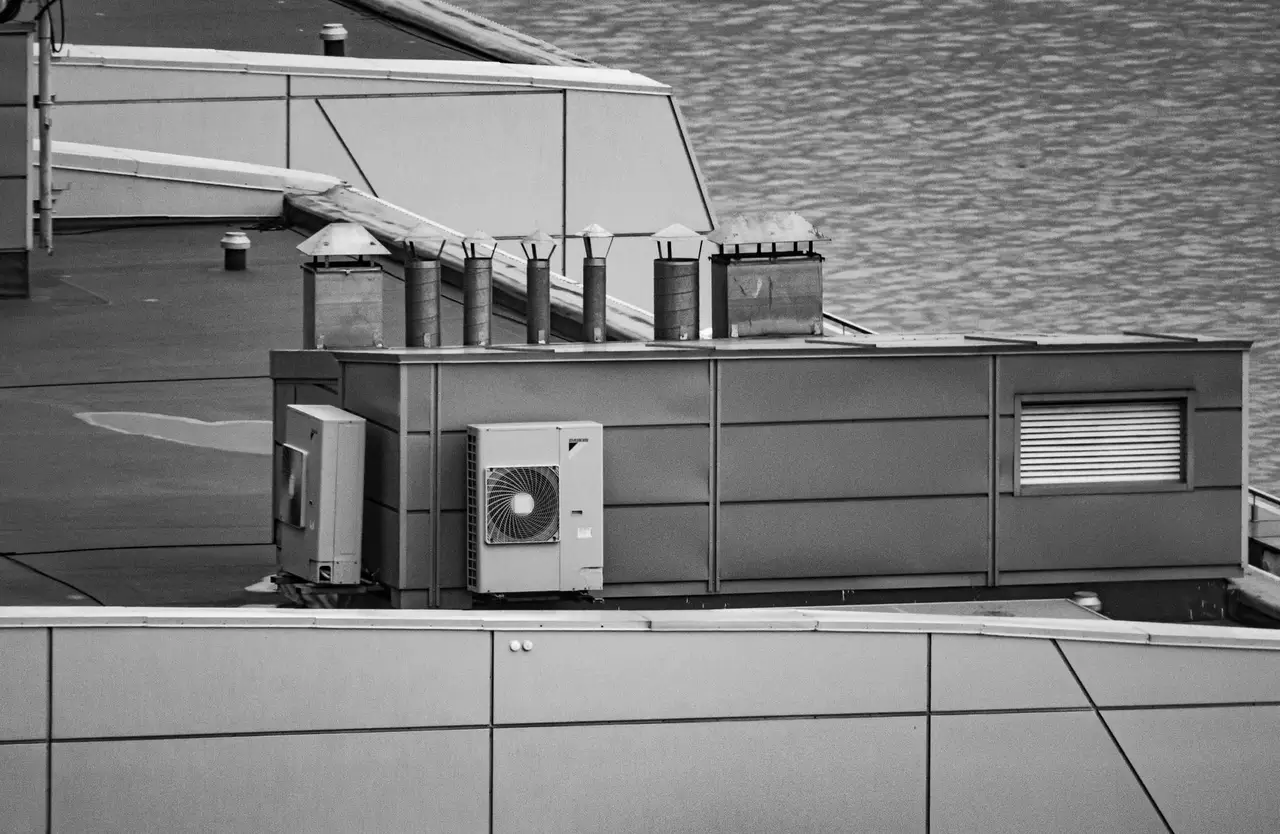
Where we work
One local team. A lot of ground covered.
Downtown Des MoinesEast VillageSherman HillDrake NeighborhoodBeaverdaleWaveland ParkHighland ParkIngersoll ParkSouth of GrandWaterburySalisbury OaksUnion Park
Check my address Most residential testing visits run $250 to $550 in 2026, depending on how many rooms we sample and whether mold spore lab work is included. A basic particulate and combustion check sits at the low end; full mold sampling with lab analysis and a written report sits at the high end. We quote the exact number on the phone before we schedule.
We measure PM2.5 and PM10 particulates, carbon monoxide, carbon dioxide, formaldehyde, total volatile organic compounds, temperature, and relative humidity. When we see moisture staining or smell a musty odor, we add air and surface samples for mold spores. A combustion analyzer also reads your furnace and water heater flue gases to confirm they are venting properly.
We do, and we cover the whole metro including Downtown Des Moines, East Village, Beaverdale, and the Drake Neighborhood. Call 515-876-5435 and we will confirm the next available slot. We run testing alongside our HVAC service routes, so we are usually in your part of Polk County within a day or two.
Watch for morning congestion that clears once you leave the house, dust returning within a day of cleaning, condensation on windows in winter, a musty smell in the basement, or headaches that show up only at home. Any two of those together justify a test. A $250 to $550 visit answers the question with numbers instead of guesses.
Keep exploring
Related Services
Your next step is waiting
Schedule Indoor Air Quality Testing Des Moines IA Today
Call 515-876-5435 and we will book a testing visit, usually within a day or two. Our technicians are NATE-certified, EPA Section 608 certified, and licensed in Iowa. You get a written report, straight answers, and a plan you can act on.
Start with the basics
Contact Des Moines Heating Repair Pros
Call us at 515-876-5435 any time, day or night. Our dispatchers answer 24/7 and can usually schedule a same-day visit for heating and cooling problems in Des Moines. Prefer email? Send your address and a quick description of the issue to [email protected] and we will get back to you fast.