Ductless Mini-Split Maintenance
Ductless Mini-Split Maintenance Des Moines IA Done Right
Ductless mini split maintenance Des Moines IA is the once-a-year service that keeps your wall units heating and cooling like they did on day one. We clean coils, check refrigerant charge, test the line set, and catch small problems before they turn into a no-cool call in July. If you own a Mitsubishi Electric or Daikin system in Polk County, this is the tune-up that protects your investment.
Service overview
What Ductless Mini-Split Maintenance Des Moines IA Covers
Ductless mini split maintenance Des Moines IA is a scheduled service visit that cleans, tests, and recalibrates every component in your ductless system. We pull the front panel off each indoor head, wash the blower wheel and evaporator coil, clear the condensate drain, and check the outdoor condenser for bent fins and debris. On the refrigerant side, we hook up a manifold gauge set, verify subcooling and superheat, and confirm the line set isn't leaking. Electrical checks with a multimeter catch failing capacitors and thermostat wire issues before they strand you.
Des Moines systems work hard. Our summers push 95 degrees with humidity, and winters drop below zero, so a mini split cycles through extremes most coastal systems never see. That swing is why annual mini split maintenance Des Moines matters more here than in milder climates. Skipping a year lets dust pack the blower wheel, refrigerant slowly leak from a flare fitting, and the outdoor coil clog with cottonwood seed. A spring mini split maintenance Des Moines visit resets all of it before the cooling season starts.
Practical benefits
Why Des Moines Homeowners Book This Service
A maintained mini split uses less electricity, cools faster, and lasts years longer than one that only gets attention when it breaks. Here's what you actually get.
Lower Electric Bills
A dirty evaporator coil and clogged filter force the compressor to run longer to hit your setpoint. Cleaning both restores airflow and can cut cooling costs 10 to 15 percent. On a 24,000 BTU Mitsubishi Electric system running all summer in Des Moines, that adds up fast.
Fewer Breakdowns
Most mini split failures we see start as something small: a loose flare fitting, a failing capacitor, a drain line starting to clog. A yearly mini split service Des Moines Iowa visit catches those in an hour instead of leaving you with a mini split not cooling maintenance Des Moines Iowa emergency on the hottest day of the year.
Longer Equipment Life
Ductless heads are rated for 15 to 20 years, but only with regular service. Compressors that run with low refrigerant charge overheat and fail early. We verify charge with a manifold gauge set every visit, so your system isn't quietly cooking itself through another Iowa summer.
Cleaner Air Indoors
Mini split blower wheels collect dust, pollen, and pet dander that then blows back into your living room. We pull and wash the wheel, replace or clean the air filters, and wipe down the coil. If you have allergies, this is the single biggest indoor air quality improvement you can make.
How service works
Our Ductless Mini-Split Maintenance Process
Every visit follows the same checklist, whether you have one wall unit in an East Village condo or five heads across a Beaverdale two-story. Here's what happens from the moment we pull up.
STEP 01
System Walkthrough
We start by asking what you've noticed: uneven rooms, weird noises, a remote that won't hold a setpoint. Then we power the system through a full heating and cooling cycle and watch how each head responds. This takes 10 to 15 minutes and tells us where to focus.
Tools and methods
Tools and Methods We Use
Manifold Gauge Set
Used to read system pressures and calculate superheat and subcooling. This tells us whether refrigerant charge is correct or if there's a leak somewhere in the line set.
Multimeter
Tests capacitors, contactors, and thermostat wire connections. A failing capacitor is one of the most common causes of a mini split that won't start, and a multimeter catches it before it fails completely.
Coil Cleaning Pump Sprayer
Applies cleaning solution to evaporator and condenser coils. We use it on every indoor head and the outdoor unit to remove the dust and biological growth that restrict airflow.
Fin Comb
Straightens bent fins on the outdoor condenser coil. Bent fins block airflow and reduce heat transfer, which makes the system work harder and use more electricity.
Leak Detector
Sniffs for refrigerant leaks at flare fittings, brazed joints, and the line set. Finding a leak early means we can repair it before the system loses enough charge to stop cooling.
Thermal Imaging Camera
Reveals temperature differences across coils and connections that aren't visible to the eye. It helps us spot a partially blocked coil or a loose electrical connection that's generating heat.
Vacuum Pump
Used when we need to evacuate a line set after a repair. Pulling a proper vacuum removes moisture and non-condensables that would otherwise damage the compressor.
ACCA Manual J Load Calculation
When we evaluate whether a system is properly sized, we run a Manual J calculation based on square footage, insulation, window orientation, and local climate data. It's the industry-standard method for matching equipment to a home's actual heating and cooling load.
Superheat and Subcooling Verification
Rather than guessing at refrigerant charge, we measure superheat and subcooling and compare against the manufacturer's spec for your specific model. This is the only accurate way to confirm charge on an inverter-driven ductless system.
EPA Section 608 Refrigerant Handling
All refrigerant work follows EPA Section 608 rules for recovery, recycling, and handling. We recover refrigerant before opening any circuit and document what we remove and recharge.
Iowa Mechanical Code Compliance
Every installation and repair we do follows the current Iowa mechanical code and Des Moines building permit requirements. That includes proper line set sizing, condensate routing, and electrical connections.
Where this service fits
When Des Moines Homeowners Book Mini-Split Service
A homeowner in Beaverdale has three Mitsubishi heads that haven't been serviced in two years and notices weaker airflow.
We pull each blower wheel, wash it, clean the evaporator coils, and check refrigerant charge at all three heads. The outdoor unit gets a full coil cleaning and electrical test. Airflow returns to normal, cooling is noticeably stronger, and the system runs quieter. The homeowner schedules a maintenance plan so it doesn't slip again.
A Downtown Des Moines condo owner is selling and needs service records to show the mini split has been maintained.
We perform a full tune-up, document everything with photos and readings, and provide a written service report the seller can hand to the buyer's agent. The system passes inspection, the buyer sees documented maintenance, and the sale closes without a repair negotiation over the HVAC.
A Sherman Hill homeowner's mini split stopped cooling in July and they call for emergency service.
We diagnose a refrigerant leak at a flare fitting, repair it, recharge the system to spec, and clean the coils while we're there. Same-day repair. Cooling is restored the same day. The homeowner books annual maintenance so the next leak gets caught before it strands them.
A Waterbury family adds a finished basement and wants to know if their existing mini split can handle the extra square footage.
We evaluate the existing system, run a load calculation on the new space, and recommend adding a dedicated head for the basement rather than overworking the current setup. The basement stays comfortable year-round, the main floor system isn't strained, and energy bills stay predictable.
Local execution
How Mini-Split Maintenance Works in Des Moines
Des Moines sits in a climate that swings from humid 95-degree summers to below-zero winters, and that range is hard on ductless systems. The outdoor units cycle through defrost mode dozens of times in January, and the indoor heads run almost continuously from June through September. Cottonwood seed in late spring clogs condenser coils fast, especially on units mounted near trees in older neighborhoods like Sherman Hill and Waveland Park. Homes built before 1950 often have plaster walls and limited cavity space, which means line sets are sometimes routed in ways that make access tricky. We've seen it all and know how to work around it. Our annual mini split maintenance Des Moines visits are scheduled around these local patterns: spring tune-ups before cooling season, fall checks before the first hard freeze. If you're searching for a yearly mini split service Des Moines IA provider who understands how these systems actually perform here, we're the call.
Sherman Hill
Historic homes with plaster walls and limited attic access. Line set routing often requires creative solutions, and outdoor units are sometimes mounted on brackets above grade.
Beaverdale
Many 1920s bungalows have added ductless systems for room-by-room control. We see a lot of multi-zone setups here, and balancing them takes experience.
Downtown Des Moines
Condos and lofts often have mini splits on balconies or rooftops. Access requires coordination with building management, and we're familiar with the common setups.
Waterbury
Larger two-story homes with multiple zones. We often find one head working harder than others, which points to a charge or airflow issue we can correct during maintenance.
East Village
Mix of older commercial buildings converted to residential and newer construction. Ductless systems are common, and outdoor unit placement varies widely.
Humid summers with dew points above 70
Condensate drains work harder and clog faster. We flush every drain line during maintenance and test flow to prevent water damage.
Below-zero winter cold snaps
Heat pumps lose capacity in extreme cold and rely on defrost cycles. We verify the defrost board and refrigerant charge before winter so the system keeps up.
Cottonwood seed in late spring
Outdoor coils clog quickly, especially on units near mature trees. Spring maintenance includes a full condenser coil cleaning to clear the debris.
Older housing stock with plaster walls
Line set routing and access can be challenging. We plan service visits around the building's layout so we're not causing damage to get to a head.
Problems we solve
Mini-Split Problems We Fix Before They Get Worse
Most mini split failures start small. A dirty coil, a slow leak, a drain line that's 80 percent clogged. Here are the issues we catch most often during maintenance visits in Des Moines.
Mini split not cooling on a 95-degree day
We diagnose the root cause during the tune-up: clean the coil, test the capacitor, verify refrigerant charge. If we find a leak, we repair the flare fitting or line set and recharge the system to spec. Most no-cool calls trace back to something a maintenance visit would have caught. A system that can't keep up in July usually has a dirty coil, low refrigerant, or a failing capacitor. Ignoring it means the compressor runs longer, overheats, and eventually fails, turning a $200 repair into a $2,000 replacement.
Water dripping from the indoor head
We flush every drain line during maintenance and test flow with water. If we find a partial clog, we clear it and treat the line to slow future buildup. If the drain pan is cracked or the pump has failed, we replace it. A clogged condensate drain sends water down your wall, staining drywall and creating a mold risk. In humid Des Moines summers, drain lines clog faster than most homeowners expect.
Musty smell when the system runs
We pull the blower wheel and wash it, clean the evaporator coil with a coil cleaning pump sprayer, and flush the drain pan. If microbial growth is heavy, we apply an EPA-registered cleaner. The smell is gone after one visit. That smell is mold and bacteria growing on the blower wheel and evaporator coil. It circulates through your living space every time the system runs, and it gets worse the longer you ignore it.
Uneven heating and cooling between rooms
We check charge at each head, clean every coil, and verify airflow. If the system is undersized or the heads aren't balanced, we explain your options, including adding a zone or adjusting how the system runs. One head keeps up while another struggles. This is usually a refrigerant charge issue, a dirty coil on the weak head, or a system that was never properly balanced. It means you're uncomfortable in part of your home and paying more to compensate.
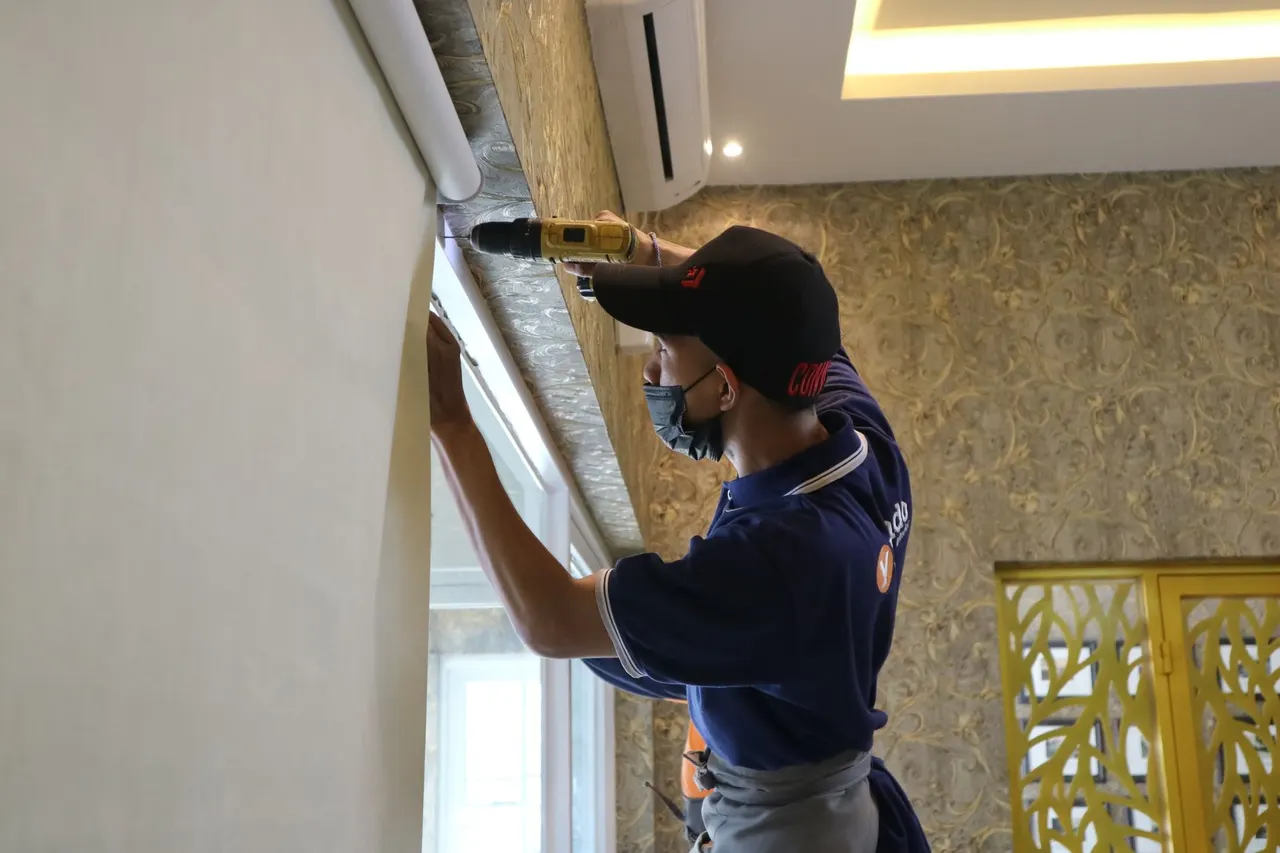
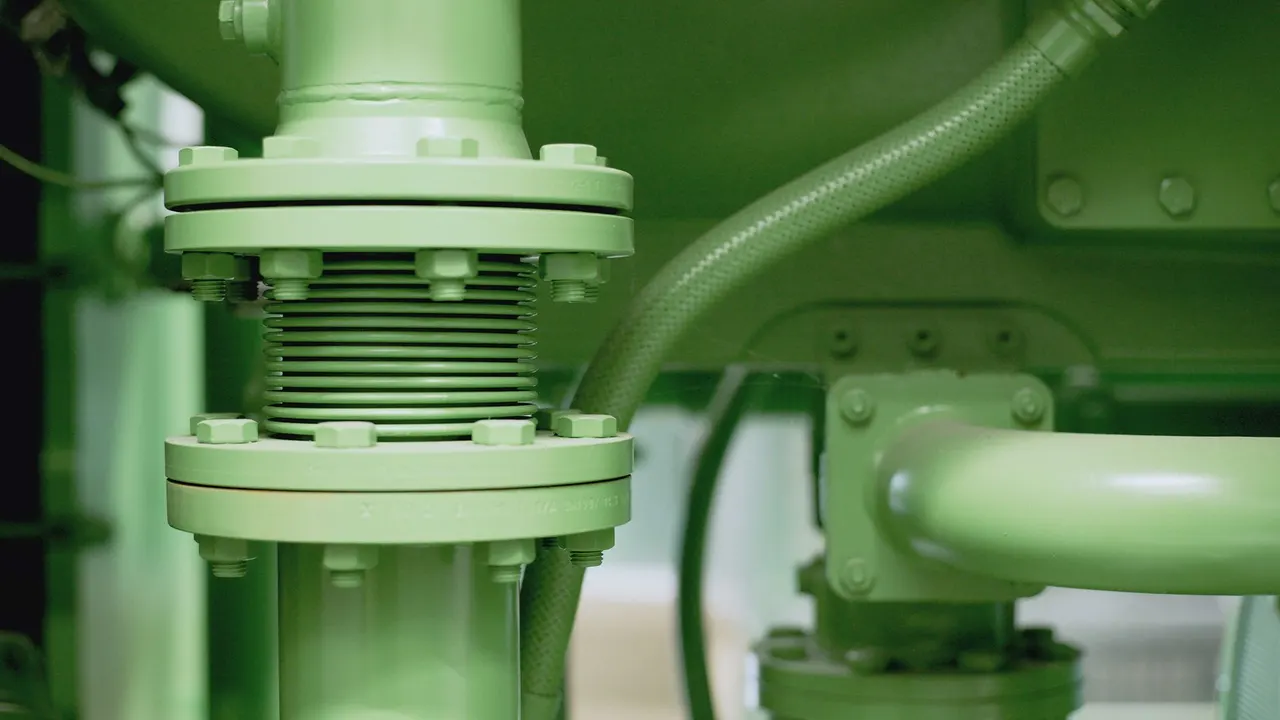
A practical standard for every visit.
Clear planningPrepared arrivalsCareful workLocal follow-through
Experience in the details
Ductless Experience You Can Verify
Our technicians hold NATE certification and EPA Section 608 certification, and we work under a current Iowa HVAC license. We service every major brand: Mitsubishi Electric, Daikin, Carrier, Trane, Lennox, Goodman, Rheem, York, Bryant, and American Standard. Our team has worked on ductless systems in Sherman Hill bungalows, Downtown Des Moines lofts, and Waterbury two-stories with zoning challenges. We follow ACCA Manual J and Manual D when we evaluate whether a system is sized and ducted correctly, and we keep up with Iowa mechanical code changes that affect refrigerant handling and equipment placement.
- NATE-certified technicians trained on inverter-driven ductless systems
- EPA Section 608 certification for refrigerant recovery and handling
- Current Iowa HVAC license and full insurance coverage
- Experience with R-410A and R-32 refrigerant systems
- Familiar with Des Moines building permits and mechanical code requirements

Where we work
One local team. A lot of ground covered.
Downtown Des MoinesEast VillageSherman HillDrake NeighborhoodBeaverdaleWaveland ParkHighland ParkIngersoll ParkSouth of GrandWaterburySalisbury OaksUnion Park
Check my address Once a year, ideally in spring before cooling season. Des Moines systems run hard through humid summers and cold winters, so annual service keeps refrigerant charge correct and coils clean. If you have pets or the system runs year-round, we recommend a second light check in fall. A yearly mini split service Des Moines IA visit is the minimum to protect your warranty.
Most single-head tune-ups run $150 to $250 in 2026. Multi-head systems with three to five indoor units typically land between $300 and $500 depending on how accessible the heads are and how dirty they've gotten. We quote the exact price before we start, and there's no diagnostic fee added on top.
Every visit includes cleaning the evaporator coil and blower wheel on each indoor head, flushing the condensate drain, washing the outdoor condenser coil, checking refrigerant charge with a manifold gauge set, testing electrical components with a multimeter, and verifying thermostat operation. We also inspect the line set for leaks and insulation damage, and replace or clean the air filters.
We do. Des Moines Heating Repair Pros services every neighborhood in the city, from Sherman Hill to Union Park, plus the surrounding Polk County suburbs. Call 515-876-5435 to schedule. We offer a Des Moines mini split maintenance plan that bundles the annual tune-up with priority scheduling and a discount on any repairs we find.
Keep exploring
Related Services
Your next step is waiting
Book Ductless Mini-Split Maintenance Des Moines IA Today
One visit now saves you a breakdown later. Call 515-876-5435 and we'll schedule your annual tune-up at a time that works. Licensed, insured, and upfront on price.
Start with the basics
Contact Des Moines Heating Repair Pros
Call us at 515-876-5435 any time, day or night. Our dispatchers answer 24/7 and can usually schedule a same-day visit for heating and cooling problems in Des Moines. Prefer email? Send your address and a quick description of the issue to [email protected] and we will get back to you fast.